


Security concerns, compliance issues, and the power of AI are top priorities for SMBs, according to Espria
Espria, a leading provider of digital workspace solutions, recently hosted the second webinar in their Optimise 2024 series. The webinar covered achieving peace of mind with IT and featured discussions with some of their key solutions partners, Xerox and Mimecast.
During an open forum centred around technology’s benefits for achieving peace of mind, several industry leaders identified the key challenges that keep business owners awake at night. They discussed how technology can help address these challenges, focusing on compliance issues, security concerns, and the potential of artificial intelligence to assist in these areas.
Richard Merrin, CEO at Spreckley Partners Limited and panel Chair, believes that businesses’ most prominent cyber risks come from employees working remotely or downloading potentially harmful content. He stressed the importance of employee training to mitigate this risk. Often referred to as the weakest link in security, a well-trained workforce can make all the difference in compliance and security.
“It’s imperative to regularly update and monitor security protocols to safeguard against potential threats. It is invaluable to have a clear policy to educate employees about their responsibilities in protecting company data. Businesses should invest in high-quality cybersecurity software to enhance their security measures.”
Mark Olding, Sales Engineer at Mimecast, added, “Organisations are vulnerable to security breaches caused by their employees. Hence, it is crucial to identify such ‘at risk’ individuals and provide them with better training to improve their security awareness.
Although email is the most common area of attack, how we access and use data can also lead to vulnerability and thus the risk of fines, especially from a compliance standpoint. Our data shows that 90% of security breaches are caused by human error, mainly related to printed materials. While some breaches are intentional, most are accidental and occur when employees follow standard procedures”.
According to Rob Smith, Digital Services Business Development Manager at Xerox, hackers now view Google and OneDrive as potential on-ramps into organisations. “It’s important for organisations to invest in security education and training for their staff. This helps make them aware of the risks associated with digital file sharing. To ensure safety, companies should implement automated security measures to detect and block any suspicious activity. It’s essential to be extra vigilant while sharing sensitive documents across platforms like Google Docs”.
Olding highlighted a growing concern among businesses worldwide, namely hackers breaching companies’ security infrastructure and demanding payment for the stolen data. “The news and industry experts advise people to ensure they have backups and not pay the ransom if they fall victim to a ransomware attack. However, nowadays, people are more inclined to pay the ransom and rely on insurance to cover the cost. This attitude has caused the problem to persist rather than diminish. If everyone were to take preventative measures from the beginning, the issue could be avoided altogether.
It is possible that ransomware would not be as much of a threat today, but the fact that insurance companies cover ransomware attacks has contributed to its growth. According to research conducted by Mimecast, around two-thirds of the surveyed companies worldwide have fallen victim to ransomware. While cyber insurance is not solely responsible for the increase in ransomware attacks, it has played a part”.
Olding then highlighted a crucial issue that businesses will face in 2024: ensuring that AI is aligned with their overall strategy and objectives.
“It’s important to remember that AI and other buzzwords can sometimes be just that – buzzwords. It’s crucial to take a step back, assess your business needs and security requirements, and then search for the best solution. While many solutions may claim to have AI in them, it shouldn’t be the focus when choosing a solution. Instead, it would be best to focus on understanding the marketplace and finding the solution that best meets your needs rather than simply choosing one with the latest technology. Ultimately, the goal is to identify the best way to detect threats and whether or not that involves using AI.”.
Smith added, “There are two ways in which we can approach artificial intelligence. The first one is to use the information we have to make informed decisions. The second one is to use technology to automate our daily tasks. These are the two main aspects of AI. In terms of business goals, most businesses have similar objectives. The first is to increase productivity, which could mean generating more revenue, producing more goods, or delivering more packages. The second is to find ways to perform more efficiently as an organisation.
Given our current workforce, how can we remain secure and compliant with regulations? Additionally, how can we meet our sustainability and CSR objectives? This is where data analysis becomes crucial. By identifying gaps and opportunities, we can leverage technology to automate these processes.”
Brian Sibley, Solutions Architect at Espria, concluded, “With Espria’s support, you can rest assured that your enterprise is in good hands. Our advice and system configurations ensure that you receive the best service possible. Not only do they address compliance issues and security concerns, but we also harness the power of AI, including Microsoft Copilot, to provide innovative and environmentally friendly solutions. With Espria on your side, you can focus on what matters, knowing that your business is in safe hands.”
Espria will return for the third Optimise event on March 21st, with the final episode in their Peace of Mind theme. Sign up to reserve your spot at here .
You may be interested in
Beyond Copilots: Why AI Agents Are the Next Competitive Advantage
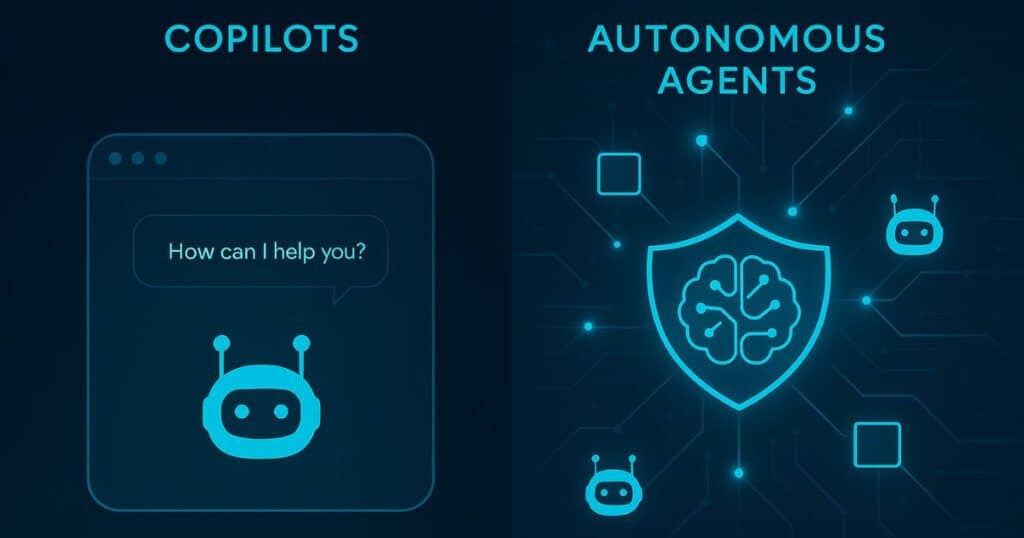
AI is no longer a tactical tool, it’s becoming the engine of enterprise transformation. While copilots and other generative AI tools have helped teams work faster, the real breakthrough is happening with AI agents: autonomous systems that don’t just assist but act, learn and orchestrate entire workflows across the business. The question every executive should be asking is: “How will we harness AI to create value at scale before our competitors do?” High-performing organisations aren’t waiting. They’re embedding AI agents into daily operations and seeing measurable impact; accelerated decision-making, leaner processes and stronger financial outcomes. When markets move at digital speed, standing still means falling behind. Here’s why: So, the question isn’t “Should we adopt AI?”, it’s “What could…
Zero Trust Networking
Protecting Employees Without Friction Your workforce is your greatest asset, and your greatest vulnerability. Attackers know this, which is why phishing and credential theft remain the most common entry points. But here’s the leadership challenge: how do you protect employees without slowing them down? Zero Trust answers that question by making security invisible yet uncompromising. Employees work from anywhere, home, client sites, airports, without clunky VPNs or endless password resets. Behind the scenes, every login is verified, every device assessed, every anomaly flagged. If something looks wrong, a compromised credential, an unusual location, the system reacts…
Shadow AI: Executive Briefing on Real Risks, Business Impact and Mitigation
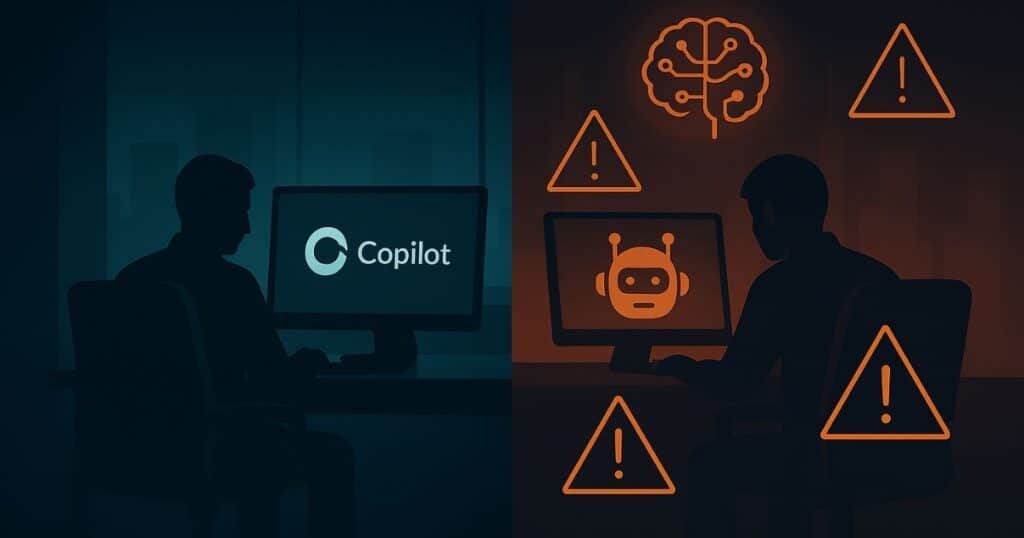
Shadow AI is here, and it’s growing Shadow AI is the use of artificial intelligence tools and platforms outside the oversight of IT, security, or compliance teams. This is not a hypothetical concern. KPMG’s 2025 global survey found that up to 58% of employees are using AI productivity tools daily, and nearly half admit to uploading sensitive company information to unauthorised platforms. Only 41% of employees say their organisation has a policy guiding the use of generative AI, revealing a significant governance gap. The Risks Are Real and Substantial The evidence from leading analysts and recent incidents is clear:…

Cyber Resilience in 2025: From Tick-Box to Boardroom Imperative
What the NCSC’s 2025 Review Means for UK Businesses The National Cyber Security Centre’s (NCSC) 2025 Annual Review is a wake-up call for business leaders across the UK. The days when cyber security was simply an IT concern or a routine compliance task are over. With a record number of nationally significant cyber incidents handled in the past year (more than double the previous year’s figure), it is clear that cyber risks have become a central issue for organisational survival and national prosperity. The Evolving Threat: Why Businesses Can’t Afford Complacency No sector has been spared in the latest…

Is Your MSP Really Helping You Grow — Or Just Keeping the Lights On?
There’s a moment in every business where the question quietly surfaces: “Are we getting what we really need from our IT provider?” It’s not always easy to answer. On the surface, things seem fine. Tickets are resolved. Reports arrive. There’s someone to call when things go wrong. It’s familiar. It’s comfortable. And that comfort can be deceiving. Because beneath the surface, many organisations are stuck in a service relationship that feels safe — but is actually stagnant. And here’s the truth: comfort isn’t the same as progress. For many, the idea of changing MSPs or challenging the…
The 2025 State of Ransomware: Key Insights on Attacks, Costs, and Recovery
Ransomware continues to evolve — and so must our defenses. The State of Ransomware 2025 report from Sophos presents one of the most comprehensive views yet into how organisations around the world are being impacted by ransomware attacks. Based on an independent survey of 3,400 IT and cybersecurity leaders across 17 countries, the report explores how attacks are evolving, the operational weaknesses adversaries exploit, and the human and financial tolls that follow. Whether you’re building a cybersecurity strategy or assessing risk, this year’s findings offer crucial, real-world insights to guide your response. Key Findings from…