


As Social Engineering Surges, it’s Time to Insure and Secure

Cyber awareness: Why people are your first line of defence
Human error remains the biggest vulnerability in cybersecurity. Discover why building a cyber-aware culture and leveraging initiatives like the UK Vulnerability Research Institute is essential for protecting your business.
Cybersecurity is no longer just an IT issue, it’s a business-critical priority. In this episode, we examine why creating a cyber-aware culture and implementing proactive defence measures is the smartest investment for UK organisations facing an increasingly hostile threat landscape.
The UK government’s launch of the Vulnerability Research Institute (VRI) marks a significant step toward strengthening national cyber resilience. Designed to unite public and private sectors, the VRI focuses on knowledge sharing and identifying systemic weaknesses across industries. While this initiative is promising, businesses cannot rely solely on external measures. They must take internal action to close gaps at both technical and human levels.
A recent Sophos report highlights the urgency: social engineering attacks accounted for 37% of ransomware incidents in the UK last year, with groups like Scattered Spider exploiting human vulnerabilities. Alarmingly, over 40% of ransomware victims lack the expertise to detect and stop an attack, exposing a critical skills gap.
This episode explores practical steps to reduce risk:
- Employee training: From IT teams to reception desks, every employee should know how to spot suspicious activity and report it correctly.
- Regular refreshers: Cyber threats evolve quickly, so training must be ongoing.
- Incident response planning: Stress-test your plans and run cyber defence exercises to identify weaknesses before attackers do.
- Managed Detection and Response (MDR): Expert threat hunting and remediation tools add resilience.
- Cyber insurance: A vital safeguard against financial losses when prevention isn’t enough.
Ultimately, even the best technology cannot compensate for human error. Building a cyber-aware culture, supported by robust monitoring and strategic planning, is essential for resilience. Watch this episode to learn how to strengthen your defences, empower your people, and stay ahead of evolving threats.

Stay Ahead with Expert Insights from Espria
Be the first to hear about our latest podcasts and webinars, where we explore the evolving world of cybersecurity, digital transformation, and IT strategy. Join industry experts, thought leaders, and solution specialists as they share real-world challenges and practical advice to help your organisation thrive.
You may be interested in
Zero Trust Networking
Protecting Employees Without Friction Your workforce is your greatest asset, and your greatest vulnerability. Attackers know this, which is why phishing and credential theft remain the most common entry points. But here’s the leadership challenge: how do you protect employees without slowing them down? Zero Trust answers that question by making security invisible yet uncompromising. Employees work from anywhere, home, client sites, airports, without clunky VPNs or endless password resets. Behind the scenes, every login is verified, every device assessed, every anomaly flagged. If something looks wrong, a compromised credential, an unusual location, the system reacts…
Shadow AI: Executive Briefing on Real Risks, Business Impact and Mitigation
Shadow AI is here, and it’s growing Shadow AI is the use of artificial intelligence tools and platforms outside the oversight of IT, security, or compliance teams. This is not a hypothetical concern. KPMG’s 2025 global survey found that up to 58% of employees are using AI productivity tools daily, and nearly half admit to uploading sensitive company information to unauthorised platforms. Only 41% of employees say their organisation has a policy guiding the use of generative AI, revealing a significant governance gap. The Risks Are Real and Substantial The evidence from leading analysts and recent incidents is clear:…
Cyber Resilience in 2025: From Tick-Box to Boardroom Imperative
What the NCSC’s 2025 Review Means for UK Businesses The National Cyber Security Centre’s (NCSC) 2025 Annual Review is a wake-up call for business leaders across the UK. The days when cyber security was simply an IT concern or a routine compliance task are over. With a record number of nationally significant cyber incidents handled in the past year (more than double the previous year’s figure), it is clear that cyber risks have become a central issue for organisational survival and national prosperity. The Evolving Threat: Why Businesses Can’t Afford Complacency No sector has been spared in the latest…
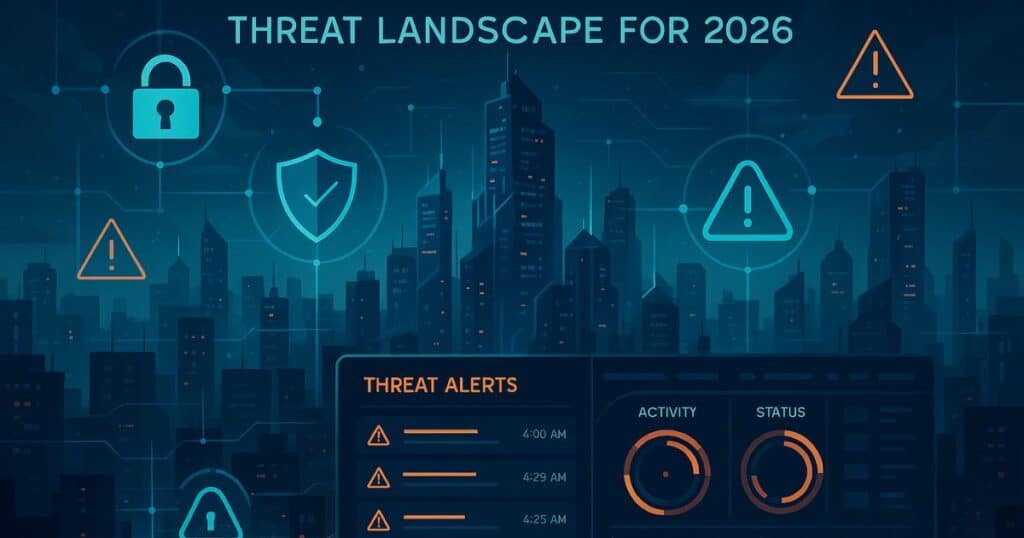
AI and supply chain threats to shape cybersecurity risks for UK businesses in 2026, warns Espria
Five major cybersecurity trends will dominate 2026, signalling the need for real-time, intelligence-driven protection. Smarter, faster and more interconnected cyber threats will reshape the UK risk landscape in 2026, with traditional security models no longer able to keep pace, according to new analysis from Espria. Brian Sibley, Virtual CTO at Espria warns that organisations are entering a cybersecurity environment defined by AI-driven attacks, opaque supply chains, expanding digital ecosystems and rising insurance scrutiny. Yet many businesses still rely on fragmented tools, manual processes or outdated perimeter defences that cannot withstand the speed and sophistication of emerging threats. “Threat actors are innovating faster than ever. AI has changed the economics of attack; the…

Building a security-first framework against evolving cyberthreats
Written by Brian Sibley, Virtual CTO at Espria As the UK’s network and cloud security market evolves at an unprecedented pace, businesses face a barrage of sophisticated cyber threats and tightening regulations. Connectivity across business infrastructure has created an enormous attack surface for organisations of all sizes, meaning that cyber risk is undoubtedly a business risk at every level. The era of selling security products as an add-on is over; managed service providers must now redefine their role from purely IT consultants and suppliers of managed services to indispensable security partners, delivering true, measurable cyber…
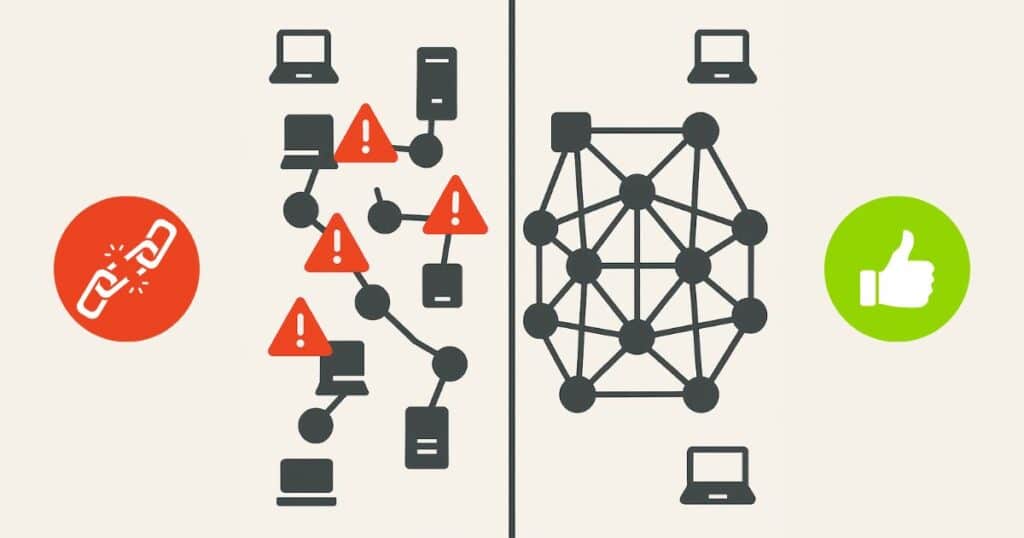
When IT operates in silos, businesses pay the price
The recent European airports cyberattack illustrates the systemic danger of siloed IT systems for organisations of all sizes. Businesses are investing more in digital technology than ever before, yet many are managing their IT services as disconnected pieces rather than as a single integrated entity. Connectivity, cloud, communications, print and security are often handled by separate providers, creating hidden inefficiencies and increasing exposure to risk. The recent cyberattack that disabled check-in systems at major European airports, including Heathrow, Brussels and Berlin, offers a stark illustration of the consequences when critical IT systems operate in silos. “The airport incident is a wake-up call for every business,” said Brian…