


The Traditional MSP Model is Failing Mid-Market Businesses and a Smarter Alternative is Emerging

Why the MSP model is broken – and what comes next
Traditional Managed Service Providers no longer meet the needs of mid-sized businesses with strong internal IT teams. Discover why co-managed IT is emerging as the smarter, more strategic alternative.
For years, the Managed Service Provider (MSP) model has been the go-to solution for SMEs seeking reliable IT support. It kept systems running, resolved issues, and maintained continuity. However, for mid-sized businesses with skilled internal IT teams, this approach is increasingly outdated. IT environments have grown more complex, ambitions more strategic, and internal capabilities more robust. The one-size-fits-all MSP model is struggling to keep pace.
In this episode, Stephen Cook, Sales Director at Espria, explains why the traditional MSP model is “broken” and what businesses need instead. As organisations pursue digital transformation, cloud migration and enhanced cybersecurity, IT has shifted from a static function to a dynamic driver of growth. This evolution demands a new kind of support – one that complements internal teams rather than replaces them.
Enter co-managed IT. Unlike outsourcing, co-management is built on partnership. It respects the value of internal IT teams while adding capacity, expertise and resilience. Businesses retain control over strategy and operations, while gaining access to specialist skills and flexible support. This approach reduces friction, avoids duplication and ensures alignment with long-term goals.
Key benefits include strategic alignment, operational resilience, flexibility, trust, and skill augmentation. For IT managers, co-management eases pressure without sacrificing influence, allowing them to focus on strategic initiatives while day-to-day operations remain supported. For businesses, it’s a smarter investment that maximises the value of both internal and external resources.
The future of IT support lies in collaboration, not rigid contracts. Co-managed IT offers a tailored, adaptable model that empowers internal teams and strengthens organisational resilience. If your business is navigating complex technology challenges, this episode will show why co-management could be the solution you’ve been looking for.

Stay Ahead with Expert Insights from Espria
Be the first to hear about our latest podcasts and webinars, where we explore the evolving world of cybersecurity, digital transformation, and IT strategy. Join industry experts, thought leaders, and solution specialists as they share real-world challenges and practical advice to help your organisation thrive.
You may be interested in
Zero Trust Networking
Protecting Employees Without Friction Your workforce is your greatest asset, and your greatest vulnerability. Attackers know this, which is why phishing and credential theft remain the most common entry points. But here’s the leadership challenge: how do you protect employees without slowing them down? Zero Trust answers that question by making security invisible yet uncompromising. Employees work from anywhere, home, client sites, airports, without clunky VPNs or endless password resets. Behind the scenes, every login is verified, every device assessed, every anomaly flagged. If something looks wrong, a compromised credential, an unusual location, the system reacts…
Shadow AI: Executive Briefing on Real Risks, Business Impact and Mitigation
Shadow AI is here, and it’s growing Shadow AI is the use of artificial intelligence tools and platforms outside the oversight of IT, security, or compliance teams. This is not a hypothetical concern. KPMG’s 2025 global survey found that up to 58% of employees are using AI productivity tools daily, and nearly half admit to uploading sensitive company information to unauthorised platforms. Only 41% of employees say their organisation has a policy guiding the use of generative AI, revealing a significant governance gap. The Risks Are Real and Substantial The evidence from leading analysts and recent incidents is clear:…
Cyber Resilience in 2025: From Tick-Box to Boardroom Imperative
What the NCSC’s 2025 Review Means for UK Businesses The National Cyber Security Centre’s (NCSC) 2025 Annual Review is a wake-up call for business leaders across the UK. The days when cyber security was simply an IT concern or a routine compliance task are over. With a record number of nationally significant cyber incidents handled in the past year (more than double the previous year’s figure), it is clear that cyber risks have become a central issue for organisational survival and national prosperity. The Evolving Threat: Why Businesses Can’t Afford Complacency No sector has been spared in the latest…
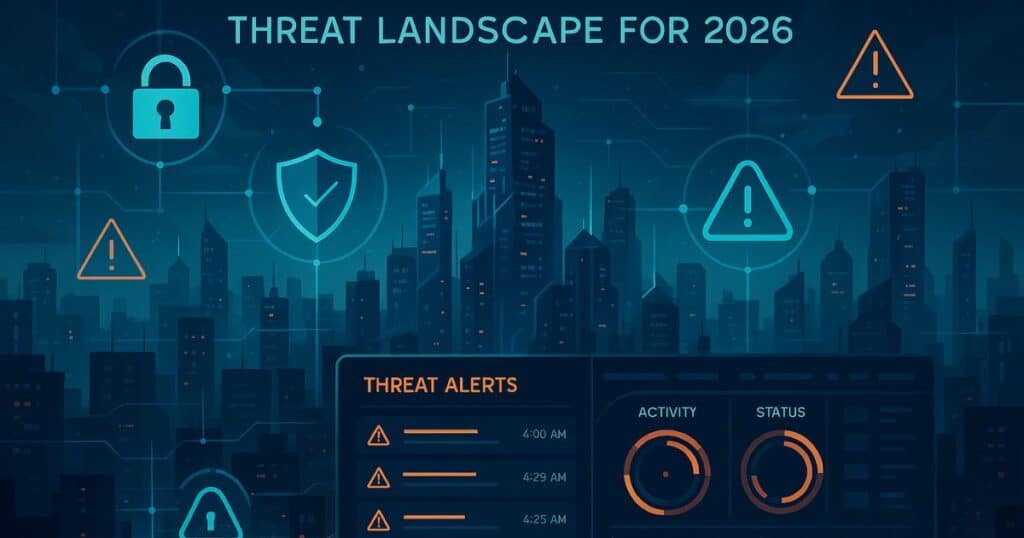
AI and supply chain threats to shape cybersecurity risks for UK businesses in 2026, warns Espria
Five major cybersecurity trends will dominate 2026, signalling the need for real-time, intelligence-driven protection. Smarter, faster and more interconnected cyber threats will reshape the UK risk landscape in 2026, with traditional security models no longer able to keep pace, according to new analysis from Espria. Brian Sibley, Virtual CTO at Espria warns that organisations are entering a cybersecurity environment defined by AI-driven attacks, opaque supply chains, expanding digital ecosystems and rising insurance scrutiny. Yet many businesses still rely on fragmented tools, manual processes or outdated perimeter defences that cannot withstand the speed and sophistication of emerging threats. “Threat actors are innovating faster than ever. AI has changed the economics of attack; the…

Building a security-first framework against evolving cyberthreats
Written by Brian Sibley, Virtual CTO at Espria As the UK’s network and cloud security market evolves at an unprecedented pace, businesses face a barrage of sophisticated cyber threats and tightening regulations. Connectivity across business infrastructure has created an enormous attack surface for organisations of all sizes, meaning that cyber risk is undoubtedly a business risk at every level. The era of selling security products as an add-on is over; managed service providers must now redefine their role from purely IT consultants and suppliers of managed services to indispensable security partners, delivering true, measurable cyber…
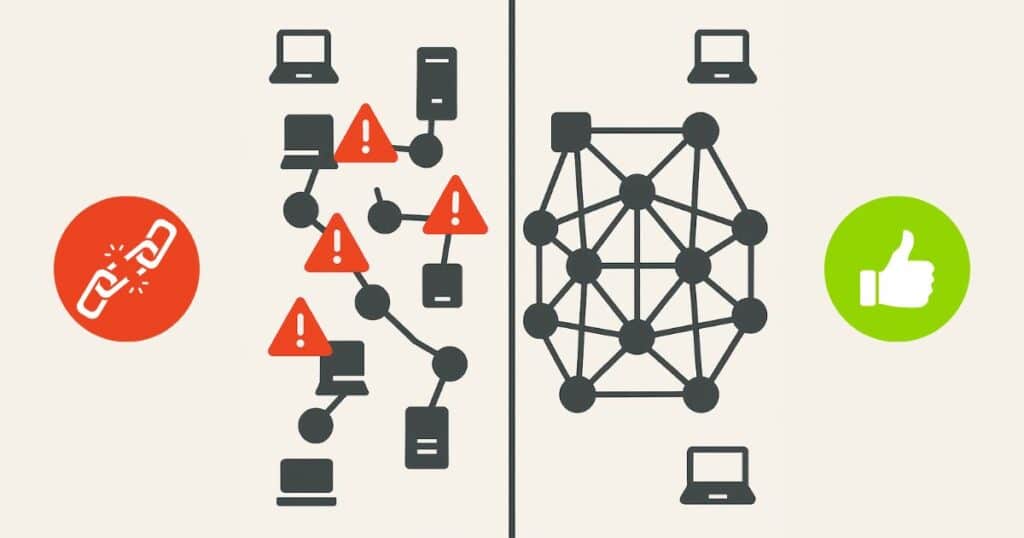
When IT operates in silos, businesses pay the price
The recent European airports cyberattack illustrates the systemic danger of siloed IT systems for organisations of all sizes. Businesses are investing more in digital technology than ever before, yet many are managing their IT services as disconnected pieces rather than as a single integrated entity. Connectivity, cloud, communications, print and security are often handled by separate providers, creating hidden inefficiencies and increasing exposure to risk. The recent cyberattack that disabled check-in systems at major European airports, including Heathrow, Brussels and Berlin, offers a stark illustration of the consequences when critical IT systems operate in silos. “The airport incident is a wake-up call for every business,” said Brian…