


When IT operates in silos, businesses pay the price
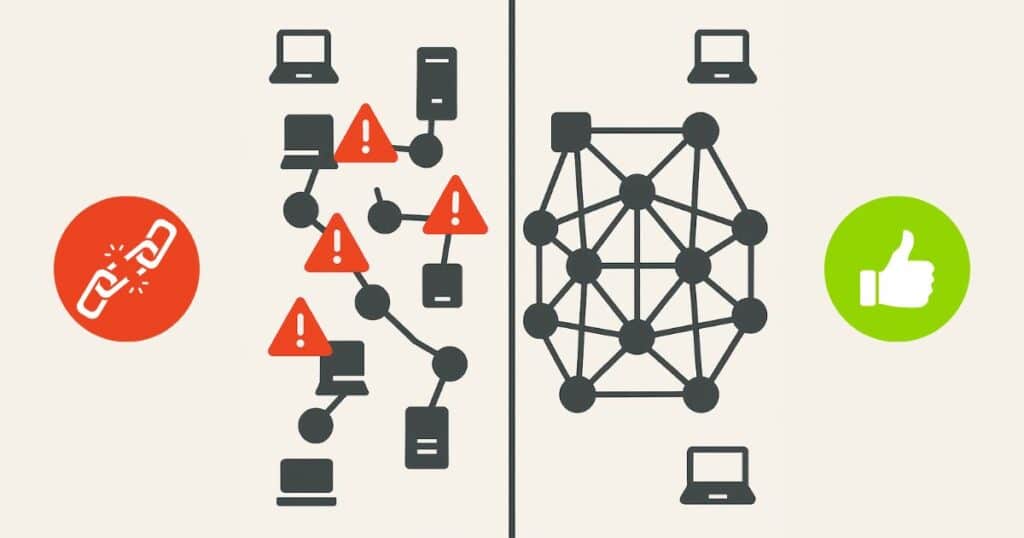
The recent European airports cyberattack illustrates the systemic danger of siloed IT systems for organisations of all sizes.
Businesses are investing more in digital technology than ever before, yet many are managing their IT services as disconnected pieces rather than as a single integrated entity. Connectivity, cloud, communications, print and security are often handled by separate providers, creating hidden inefficiencies and increasing exposure to risk.
The recent cyberattack that disabled check-in systems at major European airports, including Heathrow, Brussels and Berlin, offers a stark illustration of the consequences when critical IT systems operate in silos.
“The airport incident is a wake-up call for every business,” said Brian Sibley, Virtual CTO, at Espria. “IT doesn’t exist in isolation. When systems are fragmented, a failure in one area can create ripples across the entire organisation, causing downtime, operational disruption and security vulnerabilities. This is not just a technical problem; it is a structural one that impacts strategy and performance.”
Industry analysis shows that siloed IT environments are more than just inefficient; they are costly and create vulnerabilities. Organisations may initially perceive savings by outsourcing or segmenting services to a broad selection of suppliers, but the reality is that fragmented systems generate duplication, slow responses to incidents, and leave blind spots in risk management.
“Employees and customers alike bear the consequences when IT functions fail to operate as a cohesive whole. Experts are increasingly advocating for a shift toward integration and orchestration across IT services. By understanding interdependencies, coordinating across providers and implementing a unified framework, organisations can reduce operational complexity, improve resilience and create predictable environments that support business outcomes.
“Fragmented IT is the silent threat in modern business. Leaders who treat technology as a collection of separate parts risk not only inefficiency, but also exposure to incidents that could have been prevented through integrated oversight. The lesson from recent high-profile cyber events is clear; connected, orchestrated IT is essential for continuity, security and growth.”
Sibley concluded, “The implications extend beyond crisis management. As businesses scale and digital services proliferate, decision-makers must consider how their systems interact, anticipate points of failure and ensure IT performance aligns with broader organisational objectives. Companies that fail to do so risk operational disruption, escalating costs and weakened resilience against both technical and strategic threats.”
You may be interested in
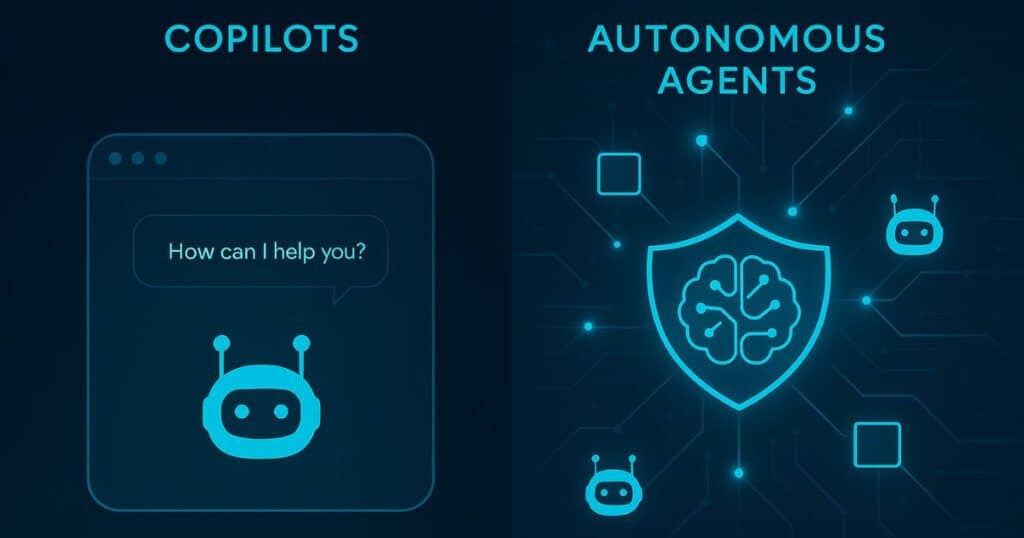
Beyond Copilots: Why AI Agents Are the Next Competitive Advantage
AI is no longer a tactical tool, it’s becoming the engine of enterprise transformation. While copilots and other generative AI tools have helped teams work faster, the real breakthrough is happening with AI agents: autonomous systems that don’t just assist but act, learn and orchestrate entire workflows across the business. The question every executive should be asking is: “How will we harness AI to create value at scale before our competitors do?” High-performing organisations aren’t waiting. They’re embedding AI agents into daily operations and seeing measurable impact; accelerated decision-making, leaner processes and stronger financial outcomes. When markets move at digital speed, standing still means falling behind. Here’s why: So, the question isn’t “Should we adopt AI?”, it’s “What could…
Zero Trust Networking
Protecting Employees Without Friction Your workforce is your greatest asset, and your greatest vulnerability. Attackers know this, which is why phishing and credential theft remain the most common entry points. But here’s the leadership challenge: how do you protect employees without slowing them down? Zero Trust answers that question by making security invisible yet uncompromising. Employees work from anywhere, home, client sites, airports, without clunky VPNs or endless password resets. Behind the scenes, every login is verified, every device assessed, every anomaly flagged. If something looks wrong, a compromised credential, an unusual location, the system reacts…
Shadow AI: Executive Briefing on Real Risks, Business Impact and Mitigation
Shadow AI is here, and it’s growing Shadow AI is the use of artificial intelligence tools and platforms outside the oversight of IT, security, or compliance teams. This is not a hypothetical concern. KPMG’s 2025 global survey found that up to 58% of employees are using AI productivity tools daily, and nearly half admit to uploading sensitive company information to unauthorised platforms. Only 41% of employees say their organisation has a policy guiding the use of generative AI, revealing a significant governance gap. The Risks Are Real and Substantial The evidence from leading analysts and recent incidents is clear:…
Cyber Resilience in 2025: From Tick-Box to Boardroom Imperative
What the NCSC’s 2025 Review Means for UK Businesses The National Cyber Security Centre’s (NCSC) 2025 Annual Review is a wake-up call for business leaders across the UK. The days when cyber security was simply an IT concern or a routine compliance task are over. With a record number of nationally significant cyber incidents handled in the past year (more than double the previous year’s figure), it is clear that cyber risks have become a central issue for organisational survival and national prosperity. The Evolving Threat: Why Businesses Can’t Afford Complacency No sector has been spared in the latest…

Is Your MSP Really Helping You Grow — Or Just Keeping the Lights On?
There’s a moment in every business where the question quietly surfaces: “Are we getting what we really need from our IT provider?” It’s not always easy to answer. On the surface, things seem fine. Tickets are resolved. Reports arrive. There’s someone to call when things go wrong. It’s familiar. It’s comfortable. And that comfort can be deceiving. Because beneath the surface, many organisations are stuck in a service relationship that feels safe — but is actually stagnant. And here’s the truth: comfort isn’t the same as progress. For many, the idea of changing MSPs or challenging the…
The 2025 State of Ransomware: Key Insights on Attacks, Costs, and Recovery
Ransomware continues to evolve — and so must our defenses. The State of Ransomware 2025 report from Sophos presents one of the most comprehensive views yet into how organisations around the world are being impacted by ransomware attacks. Based on an independent survey of 3,400 IT and cybersecurity leaders across 17 countries, the report explores how attacks are evolving, the operational weaknesses adversaries exploit, and the human and financial tolls that follow. Whether you’re building a cybersecurity strategy or assessing risk, this year’s findings offer crucial, real-world insights to guide your response. Key Findings from…