


Cyber insurance is the new compliance, but businesses are unprepared, says Espria
Leading technology provider warns that most UK SMEs are risking financial ruin by relying on outdated assumptions about cyber insurance.
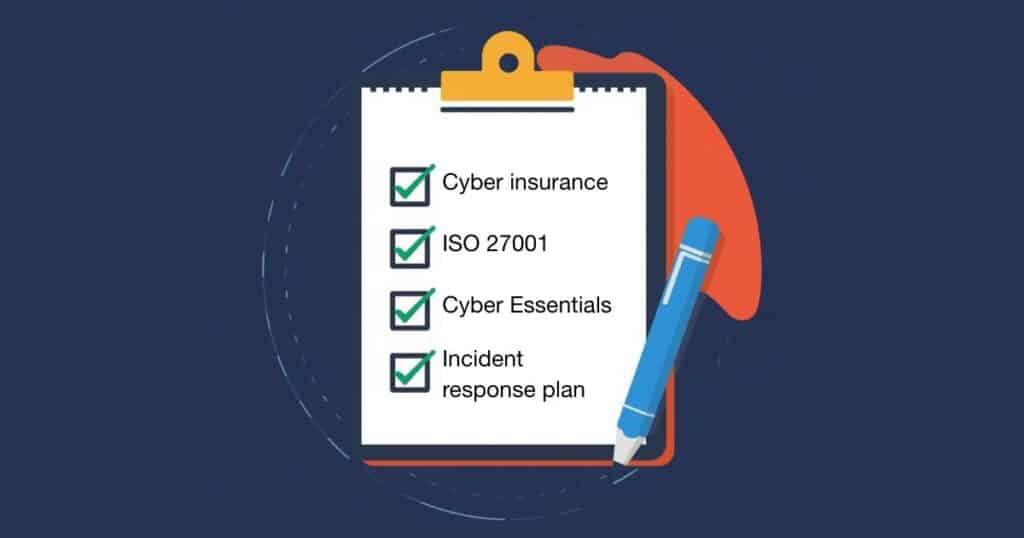
Insurance underwriters are now acting as de facto regulators of cybersecurity, demanding verifiable proof of robust security controls. From multi-factor authentication to rigorous incident response planning, many business owners are facing denied claims and wasted premiums due to insufficient cybersecurity controls and failure to test and follow agreed-upon incident response plans. Certifications like ISO 27001, Cyber Essentials and Cyber Essentials Plus are fast becoming non-negotiable prerequisites for SMEs, as is SOC2 for larger organisations.
UK SMEs risk policy rejection and wasted premiums unless they pay more attention to cybersecurity compliance.
“Cyber insurance isn’t just paperwork or a simple ‘tick-box’ exercise,” warns Ritchie Puckey, Head of Compliance at Espria. “This dangerous assumption is leaving small businesses seriously unprepared.”
“There is a cyber insurance crisis quietly unfolding for British SMEs that most business leaders are currently underestimating. The flawed assumption is that a policy is a simple protection layer, but the reality has changed dramatically: cyber insurance is the new compliance. SMEs need to be ready to demonstrate exactly how they are managing cyber risk in the modern security landscape.”
Puckey continues, “Many SMEs lack this level of cyber maturity. We are seeing clients being refused renewals outright or hit with premium increases of up to 300% because they cannot demonstrate they are actively managing their risk. This isn’t just a theoretical problem; it’s leading to public and costly claim disputes where insurers argue that a lack of basic controls and validation that the controls have been tested invalidates the policy. The question shouldn’t be do we have the budget for it, but whether businesses can afford both the financial cost and the reputational risks of failing to prevent a cyberattack.”
“The conversation must shift from the server room to the boardroom; cybersecurity is both a financial and an operational risk that the CFO and COO must address and shouldn’t ignore. The question is no longer ‘Are we insured?’ but ‘Can we prove we are insurable?’”
Espria is advocating for a guided approach. In walking businesses through a cyber insurance readiness checklist, catered to identifying gaps, the C-suite can quickly be supported in identifying and remediating critical gaps and vulnerabilities currently being overlooked. This includes neglected system migrations, such as moving from Windows 10 to 11, implementing robust managed solutions such as (Sophos) MDR and navigating the path to certifications as the demonstrable proof demanded by underwriters.
Puckey concludes, “Implementing best-practice security posture that can be verified and certified is critical, and non-negotiable. Business leaders need a security-first, risk-savvy partner they can invest in, sometimes immediately, to ensure they are aware of where those gaps are, and the critical security upgrades that need to take place well ahead of insurance renewal. This proactive investment in security not only reduces risk but can also generate a direct return by lowering insurance costs, freeing up capital for further business investment.
“UK SMEs cannot continue treating cyber security as an afterthought. It is now a fundamental requirement for financial viability and resilience, and insurance underwriters will no longer wait for you to catch up.”
You may be interested in
Beyond Copilots: Why AI Agents Are the Next Competitive Advantage
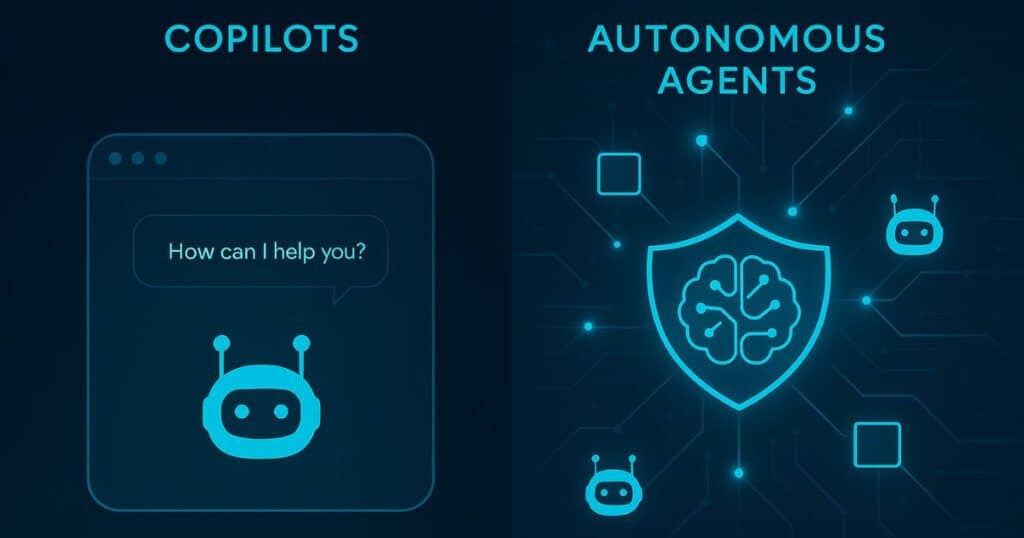
AI is no longer a tactical tool, it’s becoming the engine of enterprise transformation. While copilots and other generative AI tools have helped teams work faster, the real breakthrough is happening with AI agents: autonomous systems that don’t just assist but act, learn and orchestrate entire workflows across the business. The question every executive should be asking is: “How will we harness AI to create value at scale before our competitors do?” High-performing organisations aren’t waiting. They’re embedding AI agents into daily operations and seeing measurable impact; accelerated decision-making, leaner processes and stronger financial outcomes. When markets move at digital speed, standing still means falling behind. Here’s why: So, the question isn’t “Should we adopt AI?”, it’s “What could…

Zero Trust Networking
Protecting Employees Without Friction Your workforce is your greatest asset, and your greatest vulnerability. Attackers know this, which is why phishing and credential theft remain the most common entry points. But here’s the leadership challenge: how do you protect employees without slowing them down? Zero Trust answers that question by making security invisible yet uncompromising. Employees work from anywhere, home, client sites, airports, without clunky VPNs or endless password resets. Behind the scenes, every login is verified, every device assessed, every anomaly flagged. If something looks wrong, a compromised credential, an unusual location, the system reacts…

Shadow AI: Executive Briefing on Real Risks, Business Impact and Mitigation
Shadow AI is here, and it’s growing Shadow AI is the use of artificial intelligence tools and platforms outside the oversight of IT, security, or compliance teams. This is not a hypothetical concern. KPMG’s 2025 global survey found that up to 58% of employees are using AI productivity tools daily, and nearly half admit to uploading sensitive company information to unauthorised platforms. Only 41% of employees say their organisation has a policy guiding the use of generative AI, revealing a significant governance gap. The Risks Are Real and Substantial The evidence from leading analysts and recent incidents is clear:…

Cyber Resilience in 2025: From Tick-Box to Boardroom Imperative
What the NCSC’s 2025 Review Means for UK Businesses The National Cyber Security Centre’s (NCSC) 2025 Annual Review is a wake-up call for business leaders across the UK. The days when cyber security was simply an IT concern or a routine compliance task are over. With a record number of nationally significant cyber incidents handled in the past year (more than double the previous year’s figure), it is clear that cyber risks have become a central issue for organisational survival and national prosperity. The Evolving Threat: Why Businesses Can’t Afford Complacency No sector has been spared in the latest…

Is Your MSP Really Helping You Grow — Or Just Keeping the Lights On?
There’s a moment in every business where the question quietly surfaces: “Are we getting what we really need from our IT provider?” It’s not always easy to answer. On the surface, things seem fine. Tickets are resolved. Reports arrive. There’s someone to call when things go wrong. It’s familiar. It’s comfortable. And that comfort can be deceiving. Because beneath the surface, many organisations are stuck in a service relationship that feels safe — but is actually stagnant. And here’s the truth: comfort isn’t the same as progress. For many, the idea of changing MSPs or challenging the…
The 2025 State of Ransomware: Key Insights on Attacks, Costs, and Recovery
Ransomware continues to evolve — and so must our defenses. The State of Ransomware 2025 report from Sophos presents one of the most comprehensive views yet into how organisations around the world are being impacted by ransomware attacks. Based on an independent survey of 3,400 IT and cybersecurity leaders across 17 countries, the report explores how attacks are evolving, the operational weaknesses adversaries exploit, and the human and financial tolls that follow. Whether you’re building a cybersecurity strategy or assessing risk, this year’s findings offer crucial, real-world insights to guide your response. Key Findings from…