


Reimagining education: How AI is changing the way we teach, learn, and collaborate in schools

Technology has long been used by educators to support teaching and operations, facilitating staff with a wide range of platforms and resources. A particular tool that has sparked both controversy and curiosity is the inclusion of artificial intelligence (AI).
A study by BCS, the Chartered Institute for IT, found that most teachers are reluctant to use AI for pupil learning with 84% of educators not changing the way they assess their students’ work.
This comes after Ofsted recently launched an independent review on the use of AI in schools and how to develop the understanding of policymakers and education providers’ on its potential uses.
“Due to the prolific growth of digital tools over the last decade, educational institutions are managing a complex set of applications,” said Brian Sibley, Virtual CTO at Espria. “Add these to a growing list of communications channels, it’s no surprise that having a consistent and personalised strategy is a challenge. The impact AI can have on education is multifaceted and will depend on the approach and desired outcomes.
“While some view it sceptically, suggesting that AI can hinder learning, the ability of AI tools to enhance productivity proves to be a far bigger benefit to educators. From creating customised learning experiences to automating administrative tasks, AI tools such as Microsoft 365 Copilot can enhance experiences for both academic and operational staff as well as students.
“Academic teams often juggle heavy workloads, balancing administrative tasks between grading assignments, managing schedules, and communicating with students and parents. AI can simplify these tasks by managing student records and timetabling across the institute for easier, real-time collaboration between different teams. By automating routine tasks, educators are free to dedicate their valuable time on student engagement and support.
Sibley continued, “beyond automation, cross-team communication is incredibly important in all educational environments to reduce delays in content distribution or IT updates and ensure continuous operations. AI tools with scheduling features, such as Copilot, can optimise schedules, prescribe schedule recommendations to avoid any disruptions, and provide regular project status updates to relevant parties, keeping everyone informed of progress and changes.
“Its potential to support diverse learning needs and styles cannot be understated either. It can be difficult to cater to the diverse needs of individual learners; however, AI can analyse each student’s progress, learning style, and areas of difficulty to offer customised resources and recommendations tailored to each individual’s needs.
Sophos’ The State of Ransomware in Education 2024 highlighted that cyberattack rates in the UK education sector remained higher than global cross-sector averages (66% versus 59%). 95% of educational organisations hit by ransomware also said that the cybercriminals attempted to compromise their backups, highlighting the need for robust data privacy measures and employing the right AI product for enhanced security and user data protection.
“With collaboration tools, there is always a perceived compromise between productivity and security. As useful as AI-powered chatbots can be, there’s a heightened risk of sensitive data being accessed and shared unintentionally.
“One of the most significant advantages of Microsoft Copilot is its ability to provide enterprise data protection, which means student data isn’t at risk. This differs from other AI tools which may not be protecting your data as they operate outside your IT infrastructure. Copilot is not only capable of handling significant amounts of data but with its strict access controls and management measures in place, schools can maintain optimal data security and limit exposure.”
Despite the clear benefits of AI, Sibley believes these technologies must serve as a tool to enhance rather than detract from the human element of education.
“While AI excels in delivering feedback and data-driven insights, it lacks the nuanced understanding that human educators bring to the classroom, such as critical thinking and ethical reasoning. AI can enhance learning, supplementing many aspects of teaching but true success lies in establishing AI to support – not replace – teachers.
“For simple tasks such as enquiry via an online teaching platform or website; an integrated AI system has the relevant data on hand to quickly pull information and provide automated answers but must be able to redirect to appropriate teams, teaching or administrative staff, to find the best resolution. This can create a powerful synergy between the social emotional learning skills of teachers and the efficiencies of AI that enhances the overall educational experience for students and academic staff.”
Sibley concluded, “as the integration of AI tools like Microsoft 365 Copilot becomes more widespread, AI’s ability to revolutionise and transform educational institutes is undeniable.
“By streamlining administrative tasks, enabling personalised learning experiences, and enhancing collaboration across the organisation, AI has the potential to ease workloads and reshape how academic teams communicate with each other. Educational institutes should embrace AI for a smarter, more efficient educational environment.”
You may be interested in
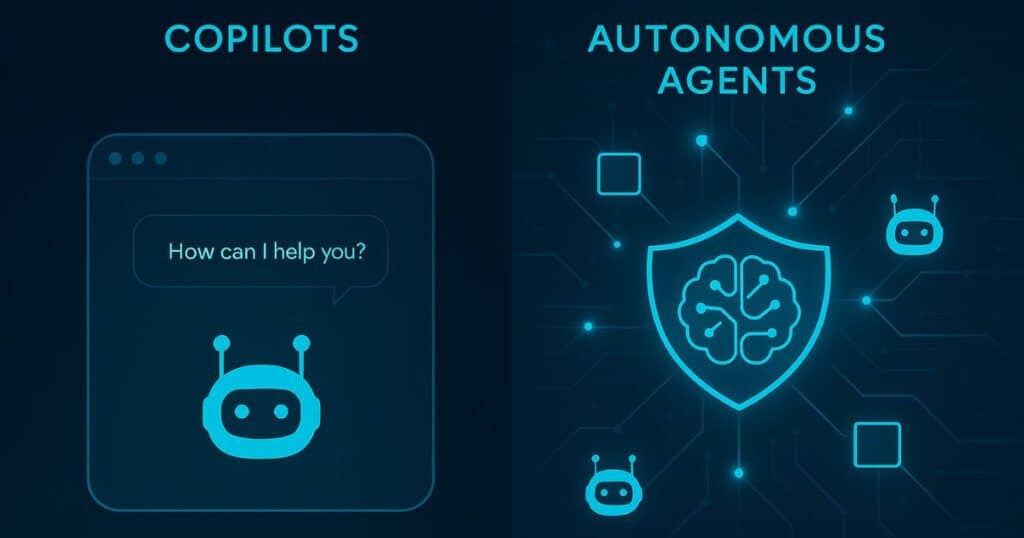
Beyond Copilots: Why AI Agents Are the Next Competitive Advantage
AI is no longer a tactical tool, it’s becoming the engine of enterprise transformation. While copilots and other generative AI tools have helped teams work faster, the real breakthrough is happening with AI agents: autonomous systems that don’t just assist but act, learn and orchestrate entire workflows across the business. The question every executive should be asking is: “How will we harness AI to create value at scale before our competitors do?” High-performing organisations aren’t waiting. They’re embedding AI agents into daily operations and seeing measurable impact; accelerated decision-making, leaner processes and stronger financial outcomes. When markets move at digital speed, standing still means falling behind. Here’s why: So, the question isn’t “Should we adopt AI?”, it’s “What could…
Zero Trust Networking
Protecting Employees Without Friction Your workforce is your greatest asset, and your greatest vulnerability. Attackers know this, which is why phishing and credential theft remain the most common entry points. But here’s the leadership challenge: how do you protect employees without slowing them down? Zero Trust answers that question by making security invisible yet uncompromising. Employees work from anywhere, home, client sites, airports, without clunky VPNs or endless password resets. Behind the scenes, every login is verified, every device assessed, every anomaly flagged. If something looks wrong, a compromised credential, an unusual location, the system reacts…
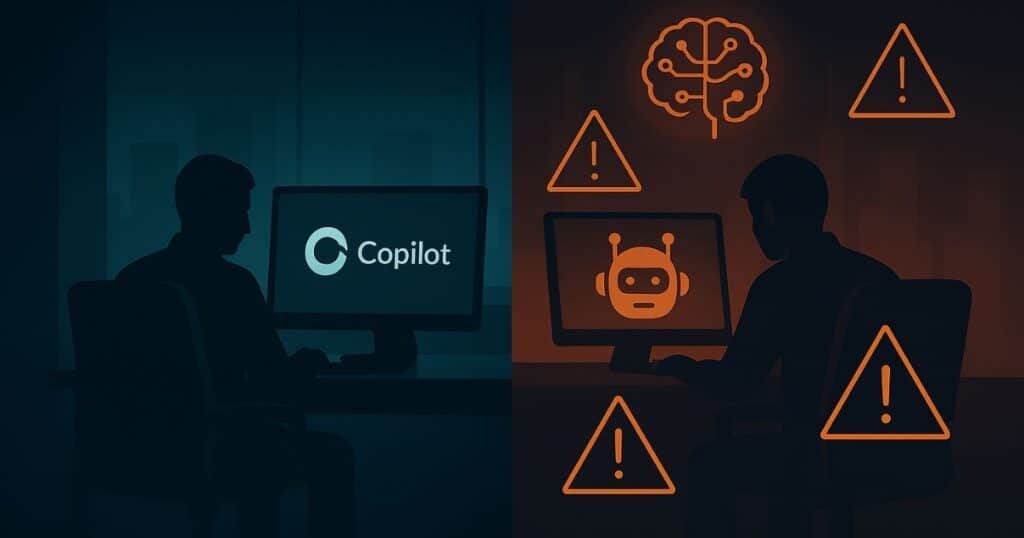
Shadow AI: Executive Briefing on Real Risks, Business Impact and Mitigation
Shadow AI is here, and it’s growing Shadow AI is the use of artificial intelligence tools and platforms outside the oversight of IT, security, or compliance teams. This is not a hypothetical concern. KPMG’s 2025 global survey found that up to 58% of employees are using AI productivity tools daily, and nearly half admit to uploading sensitive company information to unauthorised platforms. Only 41% of employees say their organisation has a policy guiding the use of generative AI, revealing a significant governance gap. The Risks Are Real and Substantial The evidence from leading analysts and recent incidents is clear:…

Cyber Resilience in 2025: From Tick-Box to Boardroom Imperative
What the NCSC’s 2025 Review Means for UK Businesses The National Cyber Security Centre’s (NCSC) 2025 Annual Review is a wake-up call for business leaders across the UK. The days when cyber security was simply an IT concern or a routine compliance task are over. With a record number of nationally significant cyber incidents handled in the past year (more than double the previous year’s figure), it is clear that cyber risks have become a central issue for organisational survival and national prosperity. The Evolving Threat: Why Businesses Can’t Afford Complacency No sector has been spared in the latest…

Is Your MSP Really Helping You Grow — Or Just Keeping the Lights On?
There’s a moment in every business where the question quietly surfaces: “Are we getting what we really need from our IT provider?” It’s not always easy to answer. On the surface, things seem fine. Tickets are resolved. Reports arrive. There’s someone to call when things go wrong. It’s familiar. It’s comfortable. And that comfort can be deceiving. Because beneath the surface, many organisations are stuck in a service relationship that feels safe — but is actually stagnant. And here’s the truth: comfort isn’t the same as progress. For many, the idea of changing MSPs or challenging the…
The 2025 State of Ransomware: Key Insights on Attacks, Costs, and Recovery
Ransomware continues to evolve — and so must our defenses. The State of Ransomware 2025 report from Sophos presents one of the most comprehensive views yet into how organisations around the world are being impacted by ransomware attacks. Based on an independent survey of 3,400 IT and cybersecurity leaders across 17 countries, the report explores how attacks are evolving, the operational weaknesses adversaries exploit, and the human and financial tolls that follow. Whether you’re building a cybersecurity strategy or assessing risk, this year’s findings offer crucial, real-world insights to guide your response. Key Findings from…